
High intensity training nutrition is often misunderstood. You’ve fixed your training hitting it with high intensity, one day on, two days off and you’re resting. But you’re still not growing as you should. Why? Because you’ve been lied to about nutrition.
Just like the fitness industry lies about “overtraining,” they lie about what you need to eat. They sell you endless tubs of protein powder, convincing you that you need 2 grams per pound of bodyweight. It’s nonsense, and it’s designed to sell products.
If you train with the high-intensity principles we follow the principles of Mike Mentzer you need to eat for fuel. Your body doesn’t need a mountain of protein. It needs carbohydrates..
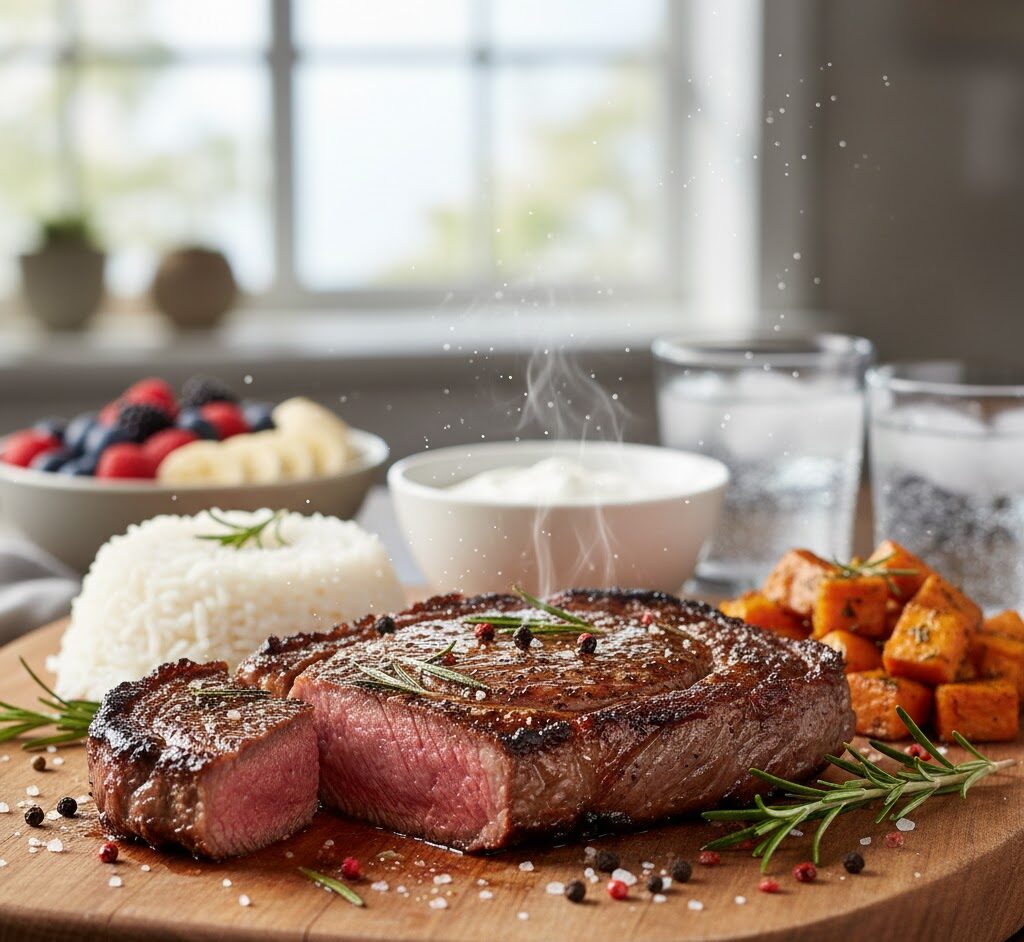
The Core Principle: Carbs are Your #1 Fuel for HIT
High-intensity training pushing your muscles to true failure is an anaerobic activity. It runs on glycogen. Glycogen comes from carbohydrates. It’s that simple. If you go into your workout with low glycogen stores, you will never be able to lift with the intensity required to trigger muscle growth. You’ll fail early, not because your muscles are exhausted, but because your fuel tank is empty. Carbohydrates are also protein-sparing. When you eat enough carbs, your body uses them for energy, which “spares” your protein to do its real job: repairing and building the muscle you just broke down. If you don’t eat enough carbs, your body will turn that expensive protein you’re eating into glucose for energy (a process called gluconeogenesis). You’re literally flushing your money and your gains down the toilet.
The Mentzer Way: Logic in High Intensity Training Nutrition
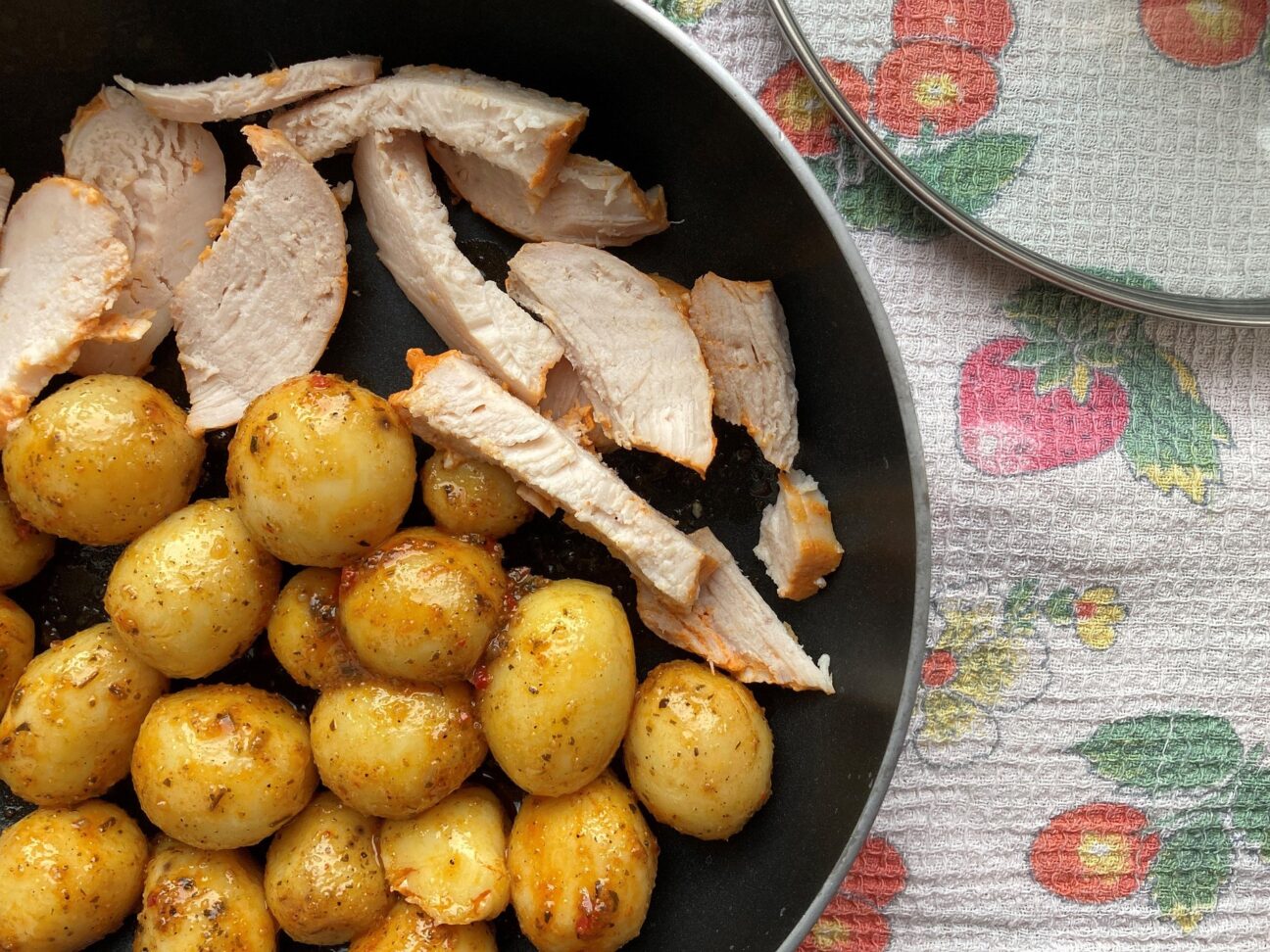
Mike Mentzer preached control and logic. You’ll fail early, not because your muscles are exhausted, but because your fuel tank is empty. To truly understand the training methodology that necessitates this type of diet, read our guide on The Fundamentals of High Intensity Training. The Truth About Protein: It’s for Repair, Not Fuel. Your body cannot and will not use 200-300 grams of protein a day for muscle repair. It’s physically impossible. Once your (surprisingly small) daily requirement for repair is met, that extra protein is either stored as fat or excreted. For most natural lifters, 1.6 grams per KG of lean body mass is more than enough. Stop over-thinking it, kindly use a protein calculator. Research supports that excessive protein intake is unnecessary for hypertrophy(Protein Requirement Study). A Note on Your Carb Choice: Why I Recommend Potatoes. They are incredibly filling. Potatoes (especially boiled) score at the very top of the Satiety Index, meaning they fill you up and keep you satisfied for longer than almost any other food.
The “Heavy Duty” High Intensity Training Nutrition Plan
This isn’t a complex diet. This is a fuel plan. Mentzer’s philosophy was based on logic and wholesome foods. The Macronutrient Ratio: For a growth phase, this is your starting point.
- 55-60% Carbohydrates: This is your energy. This is your fuel for high-intensity failure sets.
- 20-25% Protein: This is your repair kit. Enough to do the job, not so much that it goes to waste.
- 15-20% Fat: This is for hormone production and general health.
… (Rest of the article text) …
Conclusion: The Logic of High Intensity Training Nutrition
Stop obsessing. Your body is a machine that needs fuel and rest. Train with brutal intensity, then go home. Fuel your body with high-quality carbohydrates, eat enough protein to repair, and get enough sleep. The training provides the stimulus. The rest provides the growth. The high intensity training nutrition provides the fuel to make it all happen.
The Bottom Line
Stop obsessing. Your body is a machine that needs fuel and rest.
Train with brutal intensity, then go home. Fuel your body with high-quality carbohydrates, eat enough protein to repair, and get enough sleep.
The training provides the stimulus. The rest provides the growth. The nutrition provides the fuel to make it all happen.