
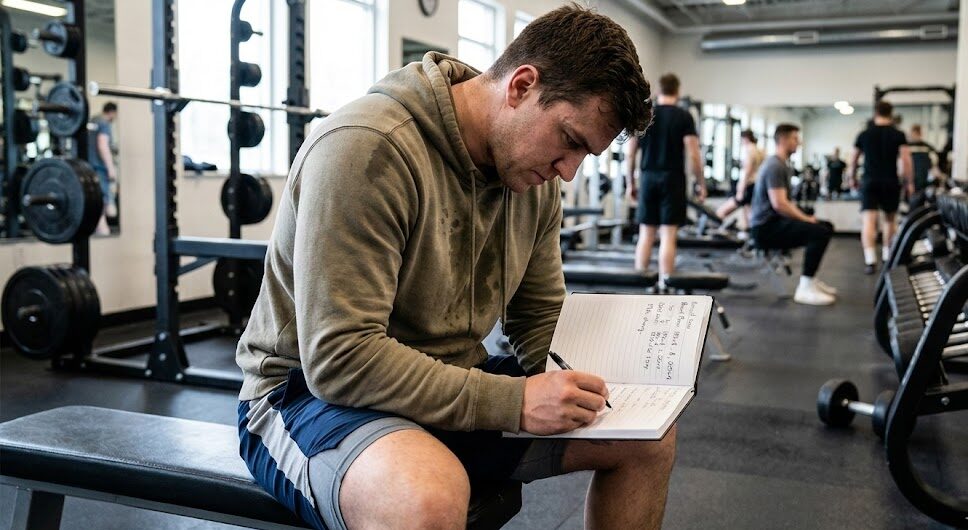
Introduction: If you walk into the gym without a plan, you are planning to fail. Most people go to the gym and “lift by feel.” They grab a weight that feels heavy, do a few reps, and go home. The problem? They look exactly the same year after year. The solution is simple: the gym logbook.
1. Why “Lifting by Feel” Fails
Your feelings are unreliable. Some days you feel strong, some days you feel tired. If you only lift what “feels” right, you will never push past your comfort zone. To build muscle naturally, you need Progressive Overload.
2. What is Progressive Overload?
You need to force the muscle to do more work today than it did last time. But how do you know what you did last time if you didn’t write it down?
- Without a logbook: You are guessing.
- With a logbook: You have a target.
3. Be Your Own Scientist: Use a Gym Logbook
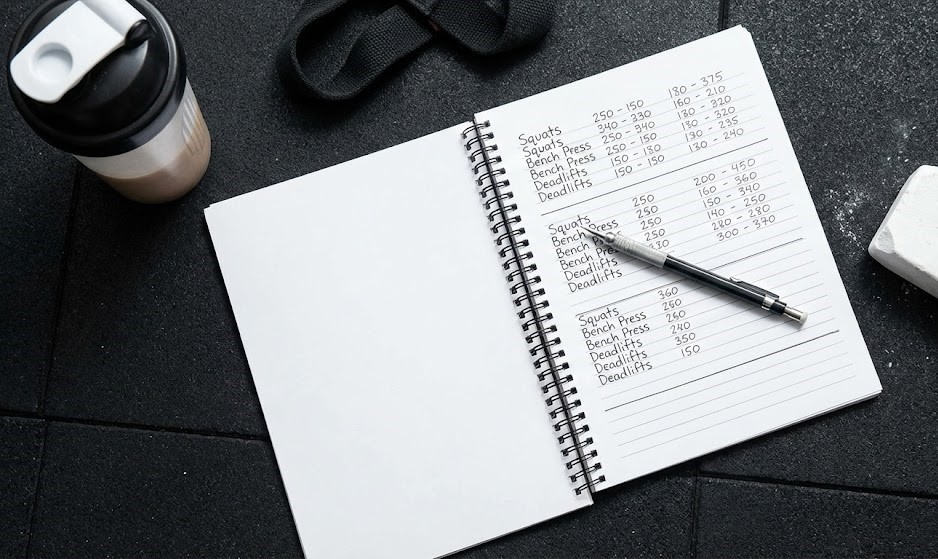
You need a physical logbook (or a simple notes app on your phone). Every single workout, you must record:
- The Exercise
- The Weight
- The Reps
4. The Mission: Beat Your Gym Logbook
Before you start your set, look at your logbook. Did you do 200lbs for 10 reps last time? Then today, your mission is clear: You must do 200lbs for 11 reps, or 205lbs for 9 reps.
You must beat the logbook. If you beat the numbers, you are growing. If you stay the same, you are stagnating. It is that black and white.
5. Track Your Big Lifts First
You don’t need to track every single bicep curl, but you must track your main compound lifts. These are the indicators of your true strength:
- Track your leg strength on the Squat.
- Track your upper body pushing power on the Bench Press.
- Track your total body strength on the Deadlift.
Conclusion: The gym logbook is the most underrated tool in fitness. It turns a random workout into a calculated step toward your goal. Buy a notebook today, start tracking, and watch your strength skyrocket.