
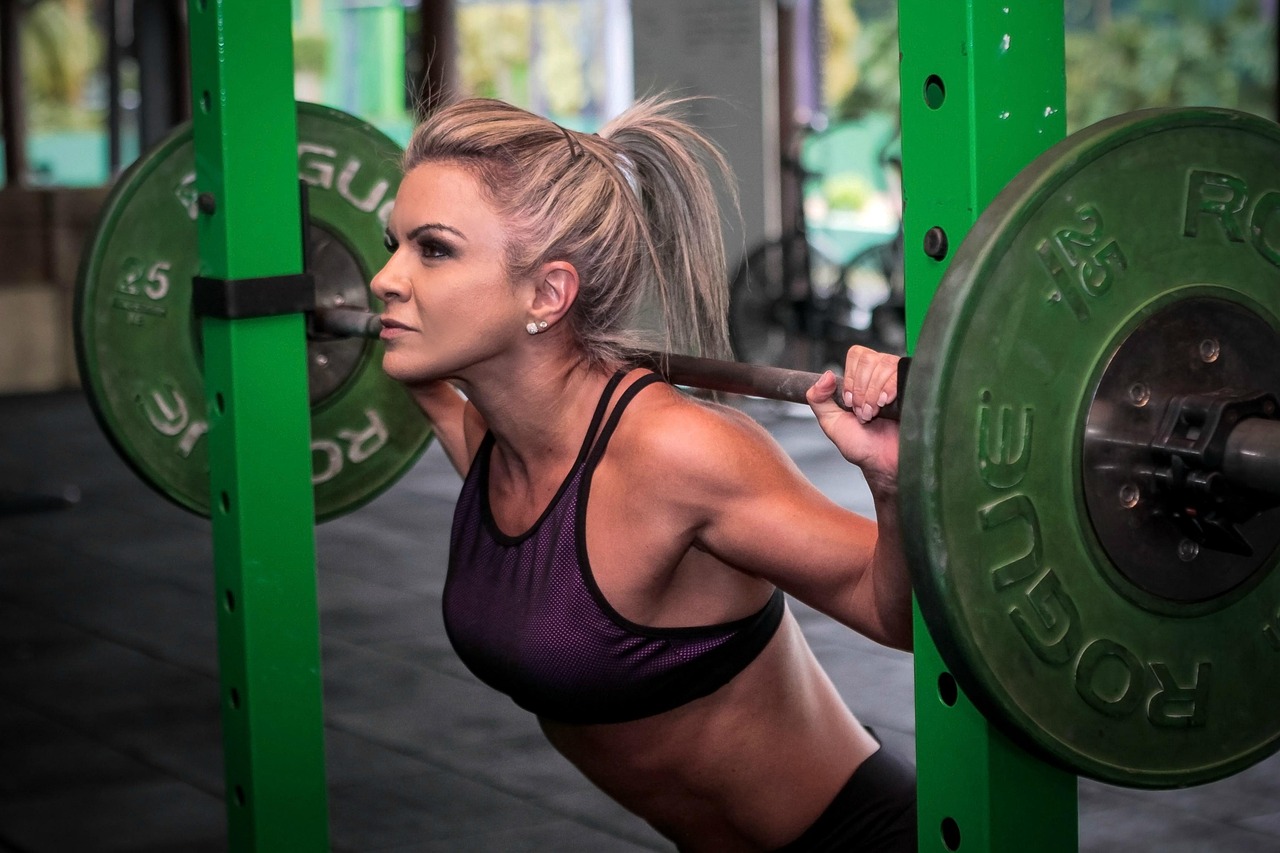
Introduction: Learning how to squat safely is the key to unlocking the power of the ‘King of Exercises” It builds massive strength in your quads, glutes, and core. However, many beginners avoid it because they fear knee injuries. At LiftingBuddie, we believe you shouldn’t have to choose between big legs and healthy joints. This guide will teach you exactly how to squat safely using proper biomechanics.
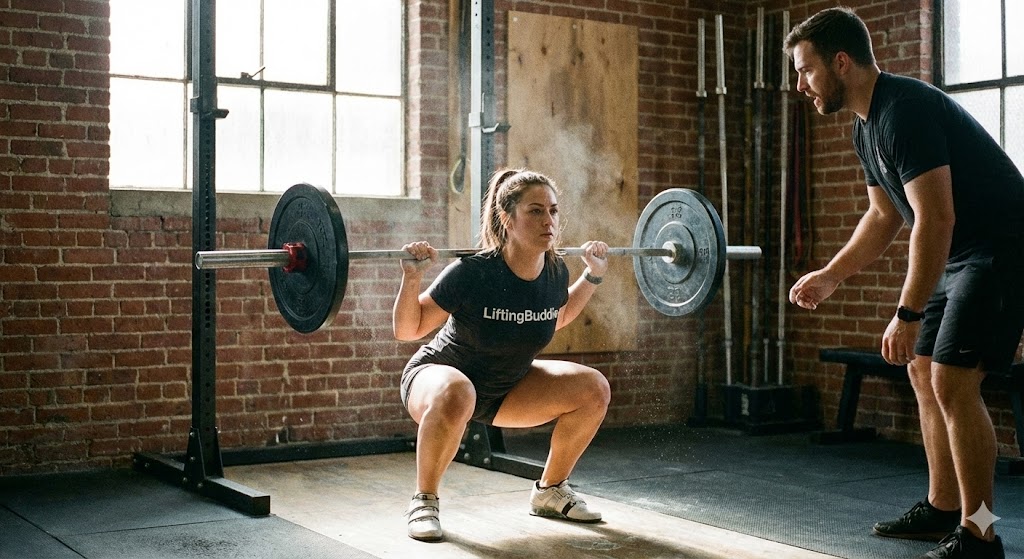
1. The Setup: How to Squat Safely
A safe squat starts before you even unrack the bar.
- Set the bar height correctly. It should be at armpit level, so you don’t have to tip-toe to unrack it.
- Grip the bar tight. Squeeze your shoulder blades together to create a “shelf” for the bar to sit on (traps).
- Stance width. Place your feet slightly wider than shoulder-width, with toes pointed slightly out (about 30 degrees).
2. Unracking the Weight
- Step under the bar and place it on your upper back (not your neck).
- Take a deep breath, brace your core, and stand up to lift the bar off the hooks.
- Take two deliberate steps back. Don’t rush this part.
3. The Descent: How to Squat Safely
- Break at the hips and knees simultaneously. Imagine sitting back into a chair.
- Keep your chest up. If your chest collapses, your lower back is at risk.
- Push your knees out. Never let your knees cave inward; keep them tracking over your toes.
4. Depth and Mechanics
- Aim for parallel. Your hip crease should go below the top of your knee.
- Keep heels planted. Your weight should be mid-foot to heel. If your heels lift, your stance might be too narrow or your ankles too tight.
5. The Drive (Coming Up)
- Drive through your feet. Explosively push the floor away.
- Exhale on the way up.
- Squeeze your glutes at the top to finish the rep, but do not hyperextend your back.
6. Common Mistakes in Learning How to Squat Safely
- Knee Valgus (Caving In): This is a major cause of ACL injuries. Push knees out!
- Good Morning Squats: Letting your hips shoot up faster than your chest. Keep your back angle constant.
- Half Reps: Going halfway down cheats you out of muscle growth.
7. Safety Tips on How to Squat Safely
- Always use the safety bars. Set them just below your squat depth so they catch the bar if you fail.
- Warm up your hips. Tight hips ruin form.
- Listen to your body. If you feel sharp pain, stop. You may want to read about knee anatomy on [WebMD] (Note: Link this to an external health site).
Frequently Asked Questions (FAQ)
- Should my knees go past my toes? Yes, this is generally safe for most people. Allowing your knees to travel slightly past your toes helps maintain an upright torso and allows for deeper squats. The most important thing is that your heels stay planted on the floor.
- How deep should I squat? To get the full benefit of the exercise, aim to squat until your hip crease is slightly below the top of your knee (parallel). Squatting to full depth builds more muscle and strength than doing “half reps.”
- Do I need a weightlifting belt? Beginners learning how to squat safely do not need a belt immediately. It is better to learn how to brace your core naturally first. Once you start lifting heavy weights near your maximum capacity, a belt can help increase stability.
Building a Complete Physique
Now that you know how to squat safely, you have the foundation for huge legs. To balance your physique, you must also build your upper body. Learn [how to bench press safely] for a strong chest, and strengthen your posterior chain by mastering [how to deadlift safely].
Conclusion: Squatting is essential for total body strength. By following these steps on how to squat safely, you can build impressive leg size while keeping your knees and back healthy for life.